Table of Contents
Most marketers are running digital marketing campaigns and calling it growth marketing. That distinction matters more than most people realize, especially if you’re a founder trying to scale with a lean team and a budget that has to count.
Quick Answer: Growth marketing vs. digital marketing is not a debate about which is better. They operate at different scopes. Digital marketing is about reaching audiences through digital channels. Growth marketing is about engineering a system that turns those audiences into loyal, revenue-generating customers and then optimizing every step in between.
What Is Digital Marketing, Exactly?
Digital marketing is the use of online channels to promote products or services. Search engines, social platforms, email, display advertising, content marketing: these are the tools of the trade.
It has been a business standard since the mid-1990s. By now, it is table stakes. Every business with an internet presence does some version of digital marketing, whether intentionally or not.
The primary focus of digital marketing is reach and visibility. You put a message in front of an audience. You measure impressions, clicks, and traffic. You optimize for those numbers.
That is not a flaw. That is the job.
But most digital marketing frameworks stop there, and that is precisely where growth marketing begins.
What Is Growth Marketing, and How Is It Different?
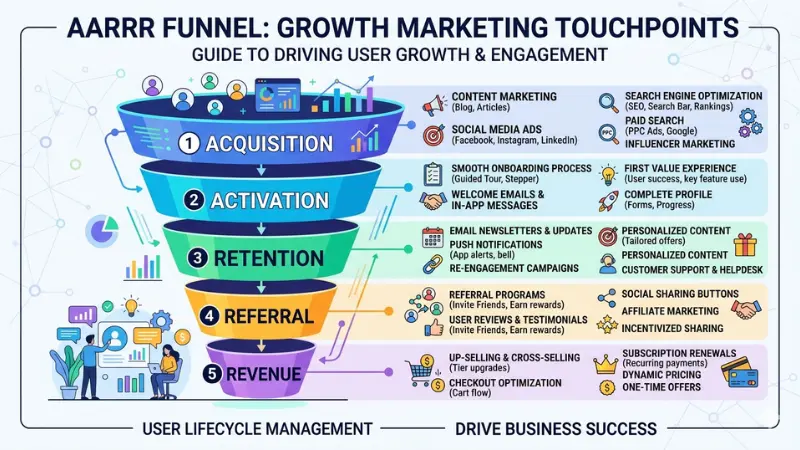
Growth marketing is a full-funnel, data-driven discipline that treats every stage of the customer journey as an opportunity for optimization, not just the top of the funnel.
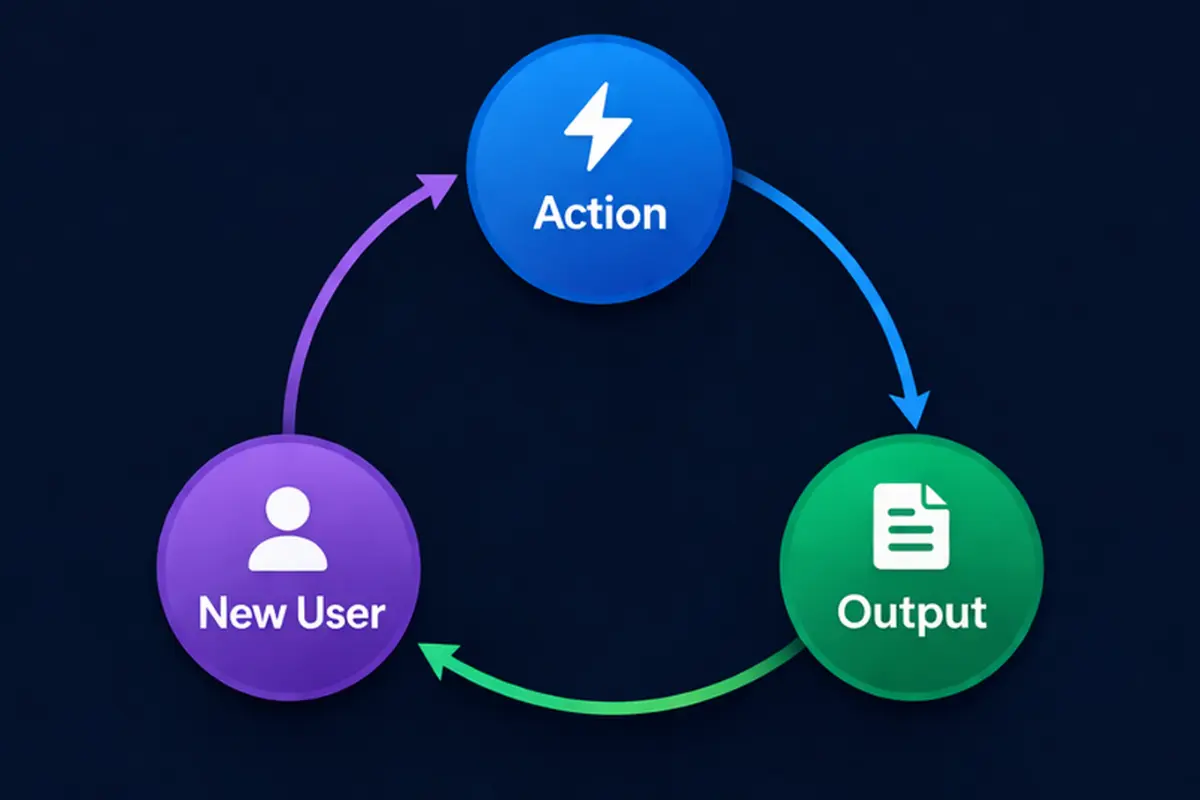
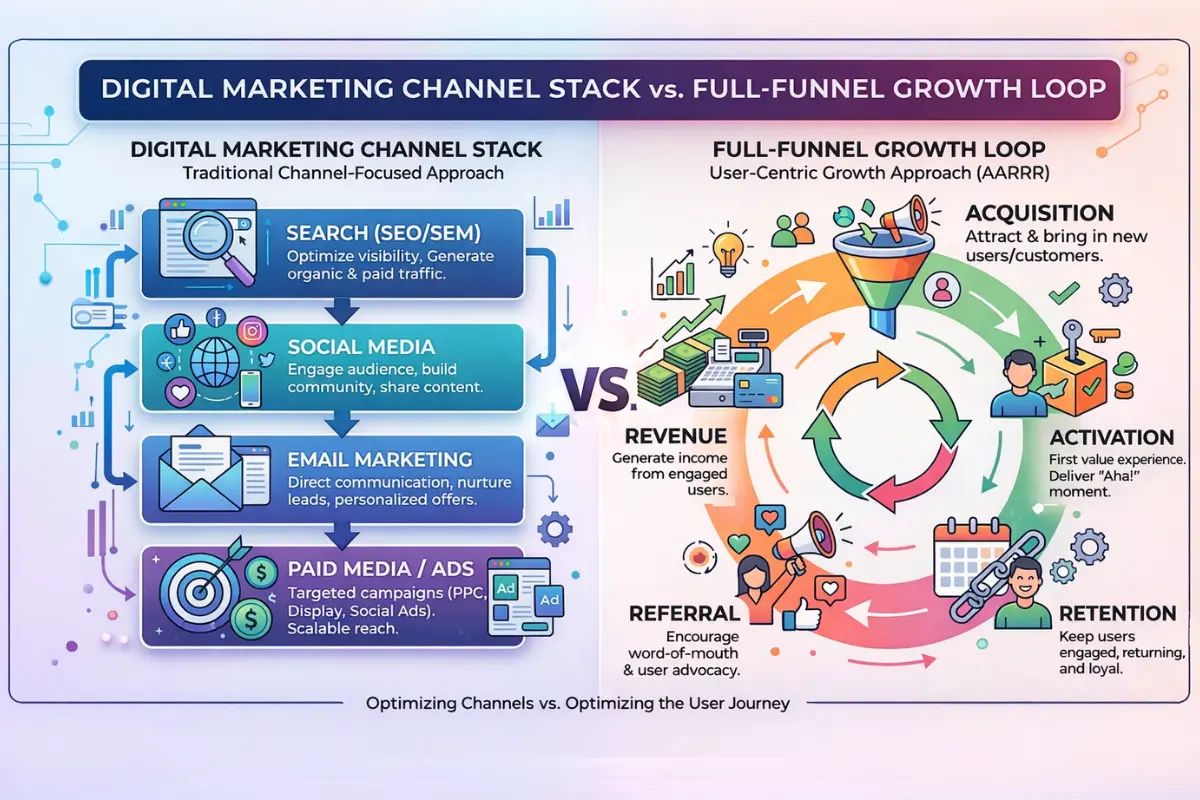
Growth Marketing vs. Digital Marketing: Digital marketing is a distribution system, a set of channels and tactics used to reach an audience. Growth marketing is an optimization loop that spans acquisition, activation, retention, referral, and revenue. While digital marketing asks “How do we get more traffic?”, growth marketing asks “How do we turn traffic into compounding business results?”
The phrase “growth marketing” has roots in growth hacking, a concept that spread through Silicon Valley around 2010. But where growth hacking often chased short-term spikes, growth marketing matured into something more disciplined: structured experimentation, cross-functional strategy, and a focus on metrics that actually move the business forward.
Is Growth Marketing Just Digital Marketing With Experiments Added?
Not quite. The experimentation mindset is part of it, but the bigger shift is structural.
Digital marketing typically operates in silos. The paid team runs ads. The SEO team builds content. The email team sends campaigns. Each silo optimizes for its own metrics.
Growth marketing tears down those silos. A growth marketer looks at the entire customer lifecycle, from the first touchpoint to repeat purchase, and asks: where is the biggest opportunity to improve the system?
Sometimes that answer is a better onboarding sequence, not a new ad campaign. Sometimes it is a referral mechanic built into the product, not a revised content calendar.
That cross-functional thinking is what separates growth marketing from digital marketing in practice.
How Growth Marketing and Digital Marketing Work Together
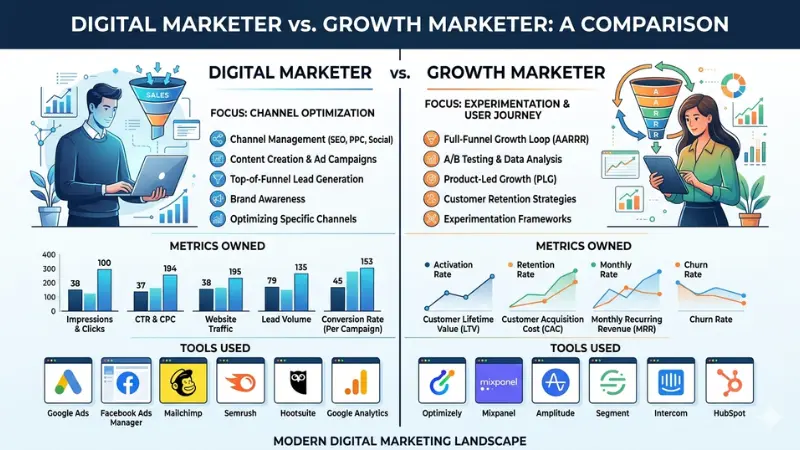
Here is the insight most comparisons miss: growth marketing and digital marketing are not in competition. Digital marketing is an input to growth marketing.
Growth marketers use digital channels (SEO, paid, email, social) as acquisition tools. But they do not stop there. They connect those channels to activation data, retention metrics, and revenue outcomes.
Think of it this way: digital marketing fills the top of the funnel. Growth marketing is responsible for what the funnel does with what it receives.
For founder-led teams and small businesses, this distinction has real operational implications:
- Digital marketing tells you which channel drove the most clicks.
- Growth marketing tells you which channel drove the most customers who actually stayed.
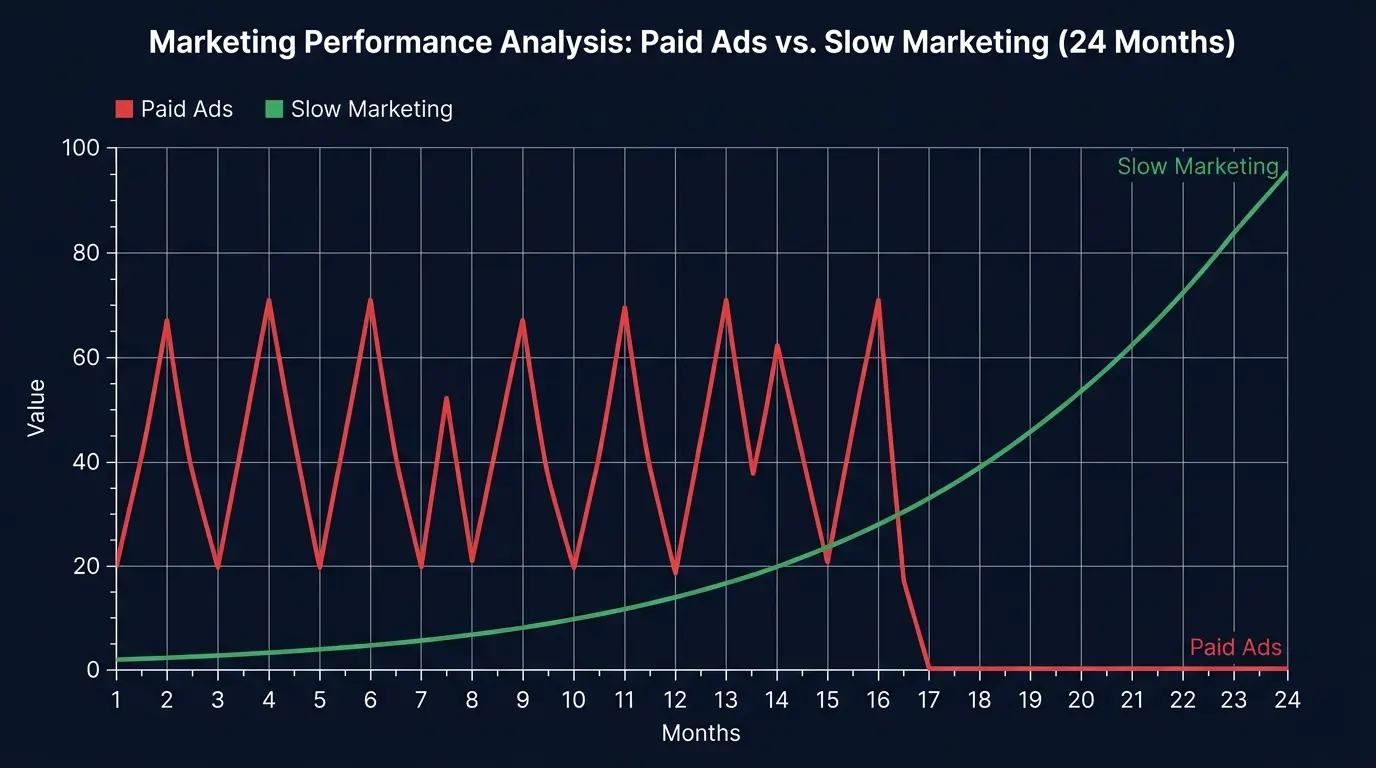
Running paid ads without understanding your retention rate is digital marketing without growth marketing. You can spend your way to traffic and still lose the game.
The insight most guides skip: The channel that generates the most leads is rarely the channel that generates the most lifetime value. Growth marketing exists specifically to close that gap.
What Does a Growth Marketer Actually Do Day-to-Day?
A growth marketer’s work looks different from a traditional digital marketer’s. Here is a practical side-by-side:
Digital Marketing Focus:
- Campaign management (paid search, paid social)
- Content creation and SEO
- Email list growth
- Brand reach and awareness metrics
Growth Marketing Focus:
- Funnel analysis (where are users dropping off?)
- A/B testing across the full customer journey
- Activation and onboarding optimization
- Retention improvement and churn reduction
- Referral and monetization mechanics
In practice, many growth marketers do some version of both. But the framing changes the priorities. A digital marketer asks: “Did this campaign perform?” A growth marketer asks: “Did this campaign contribute to sustainable business growth, and how do we actually know?”
Which One Should You Focus on First?
If you are an early-stage founder or running a lean team, here is my honest take.
Start with digital marketing fundamentals. You need traffic before you can optimize conversions. You need an audience before you can study retention. Building a growth marketing machine before you have data is like optimizing a funnel with no water in it.
Once you have traction, volume, and enough signal to see patterns, that is when the growth marketing mindset pays off.
In my experience working with founder-led teams, the most common mistake is spending heavily on digital marketing channels before fixing the activation or retention layer. You can pour traffic into a product that does not stick and call it a growth strategy. It is not.
The sequence that actually works:
- Build the foundation (product-market fit, basic digital presence)
- Drive initial traffic (digital marketing: SEO, paid, content)
- Study what happens after the click (activation, onboarding, first value moment)
- Optimize the full funnel (growth marketing: test, measure, iterate)
- Scale what works (double down on channels producing retained customers)
FAQ: Growth Marketing vs. Digital Marketing
Is growth marketing better than digital marketing?
They are not competing disciplines. Growth marketing uses digital marketing channels as inputs and optimizes the full customer journey beyond them. One without the other is incomplete.
Can I do growth marketing without a big budget?
Yes. Growth marketing is more about mindset and process than spend. Small teams with a structured testing approach and a clearly defined north-star metric can practice growth marketing effectively regardless of budget size.
What skills do I need to move from digital marketing to growth marketing?
The biggest shift is analytical thinking. You need to get comfortable reading funnel data, designing experiments, and connecting marketing activity to revenue outcomes. Tools like Google Analytics 4, Mixpanel, or a well-structured spreadsheet can get you started.
Is SEO part of growth marketing or digital marketing?
Both. SEO is a digital marketing channel. Growth marketers use SEO as an acquisition lever, then study what happens to those visitors: do they convert, activate, and retain? That downstream analysis is the growth marketing layer on top of the digital marketing input.
What is the difference between growth hacking and growth marketing?
Growth hacking is typically tactical and short-term, focused on finding tricks or shortcuts to spike growth quickly. Growth marketing is the more mature, systematic version: structured experimentation, full-funnel ownership, and compounding momentum built over time.
If you are working through this distinction for your own business, raymellumenario.com is where I share frameworks and strategies from my work with founder-led and lean teams.